Longevity and Active Aging: Training for a Healthier, Longer Life

Fitness is changing.
For years, much of the industry revolved around one question:
How do I look?
How much do I weigh? How lean am I? Can I get a six-pack? Can I fit into a smaller size?
Those goals still matter to people, but there is another question becoming increasingly important:
What will my body still allow me to do 10, 20, or 30 years from now?
That shift is showing up throughout the fitness industry. In the American College of Sports Medicine’s 2025 worldwide survey, exercise programs for older adults ranked #3, while traditional strength training and functional fitness also landed in the top 10.
And I think that shift makes sense.
Living longer is one thing.
Being able to move, travel, work, train, play with your children or grandchildren, carry your own groceries, get off the floor and remain independent is something different.
That is where longevity training comes in.
Longevity isn't just lifespan. It's capacity.
The World Health Organization defines healthy ageing around maintaining the functional ability that enables well-being as we get older. That includes mobility, independence, relationships, decision-making and being able to continue doing the things that matter to you.
That distinction is important.
You can add years to your life without necessarily adding quality to those years.
The real target is healthspan—protecting as much physical and mental capacity as possible throughout the lifespan.
And the earlier you begin working on that capacity, the better.
You do not suddenly start training for longevity when you turn 65.
You are training for your future body right now.
Every squat, walk, strength session, recovery day, meal and night of sleep contributes to the physical reserve you carry forward.
What actually changes as we age?
Aging itself isn't a disease.
But several physical qualities tend to decline if we don't deliberately maintain them.
Muscle mass can decrease. Strength and muscle power can decline. Balance may deteriorate. Cardiorespiratory fitness can fall. Joints may become less mobile. Recovery can take longer.
The National Institute on Aging notes that staying active and continuing to strength train can help slow losses in muscular performance and help people maintain mobility and independence later in life.
That means your longevity program shouldn't just be:
“Exercise so you don't gain weight.”
It should preserve multiple physical qualities.
I think about them as five major buckets:
Strength.
Cardiovascular fitness.
Mobility.
Balance and coordination.
Recovery capacity.
If we can keep those systems functioning well, we're doing much more than chasing a number on a scale.
1. Strength is one of your biggest physical investments
Strength training becomes increasingly important with age.
Not because everybody needs to become a powerlifter, but because strength affects ordinary life.
Standing up from a chair is strength.
Getting off the floor is strength.
Carrying groceries is strength.
Walking up several flights of stairs requires strength.
Controlling yourself when you stumble requires strength—and power.
The National Institute on Aging specifically recommends muscle-strengthening activity and notes that it can improve physical function, help preserve independence and make activities such as climbing stairs, carrying groceries and getting out of a chair easier.
That is why I don't believe longevity training should automatically mean light weights forever.
The goal is appropriate resistance.
Good technique.
Gradual progression.
Enough stimulus to make the body adapt without constantly beating it into the ground.
Focus on movements that transfer to real life
A longevity-focused program will usually include variations of:
Squats and sit-to-stand patterns
Hip hinges
Lunges and step-ups
Pushing
Pulling
Carrying
Rotational and anti-rotational work
Getting down to and back up from the floor
The exact exercise changes depending on the person.
The movement ability is what matters.
2. Your heart and lungs need training too2. Your heart and lungs need training too
Strength gets a lot of attention—and it deserves it—but longevity isn't just about how much weight you can lift.
Cardiorespiratory fitness matters enormously.
Large research reviews have consistently found that higher cardiorespiratory fitness is associated with lower all-cause and cardiovascular mortality risk. A 2024 overview representing more than 20 million observations found a strong and consistent relationship between higher fitness and better long-term health outcomes.
That doesn't mean everyone needs to become a marathon runner.
It means your heart, lungs and circulatory system need regular work.
Walking.
Cycling.
Incline treadmill work.
Rowing.
Swimming.
Jogging, when appropriate.
Conditioning circuits.
There are plenty of ways to build aerobic capacity.
What about Zone 2?
You've probably heard Zone 2 everywhere lately.
It generally refers to relatively comfortable aerobic work performed below the point where exercise becomes increasingly metabolically demanding.
The simplest coaching tool for many people is the talk test: during moderate aerobic exercise, you should generally be breathing harder but still able to hold a conversation. The National Institute on Aging uses a similar description when explaining moderate-intensity aerobic exercise.
But here's where I want to separate fitness science from fitness trends.
Zone 2 is useful. It is not magic.
A 2025 review specifically cautioned against treating Zone 2 as the single optimal intensity for improving mitochondrial function or cardiorespiratory fitness in the general population. Other intensities can produce meaningful benefits too.
So my approach is not:
Everybody must spend exactly X minutes at exactly 65% of maximum heart rate.
It's:
Build an aerobic base. Use sustainable moderate-intensity work. Add higher intensities when appropriate. Match the conditioning to the actual person.
3. Mobility isn't the same thing as flexibility
People often use those words interchangeably.
I don't.
Flexibility is largely about how far tissues can lengthen.
Mobility is your ability to actively control useful ranges of motion.
You may be flexible enough to move into a position but lack the strength, stability or coordination to control it.
That's why longevity work shouldn't consist of stretching for 20 minutes and calling it mobility.
We want usable movement.
Can your ankle move enough for you to descend stairs comfortably?
Can your hips rotate?
Can your shoulders reach overhead without your lower back doing all the work?
Can you turn and look behind you?
Can you comfortably get to the floor—and more importantly, get back up?
Those are real-world questions.
Mobility gives strength somewhere to operate.
Strength gives mobility control.
You need both.
4. Balance deserves much more attention
Balance training is easy to ignore when you're young because you usually don't notice it until it begins to decline.
But it matters.
Falls are the leading cause of injury among adults age 65 and older in the United States, according to CDC data.
Balance training does not need to look like circus tricks.
It can include:
Single-leg standing
Split-stance work
Step-ups
Controlled direction changes
Carries
Lunges
Uneven loading
Heel-to-toe walking
Tai chi
Carefully progressed single-leg strength exercises
The National Institute on Aging recommends incorporating balance work and notes that balance training can help prevent falls and fall-related injuries.
But there's another piece people miss:
Strength and balance work together.
You need to detect that you're losing balance, but you also need enough strength and power to recover.
That is another reason I don't want people waiting until they're “old” to work on this.
5. Recovery becomes part of the program—not an afterthought
Training creates the stimulus.
Recovery is where adaptation happens.
As we get older, we often have more going on outside the gym too:
Careers.
Children.
Relationships.
Stress.
Travel.
Poor sleep.
Old injuries.
Medications.
Medical conditions.
All of those factors affect how much training stress someone can actually recover from.
So longevity programming should not be built around how much punishment you can tolerate.
It should be built around the minimum effective dose that keeps producing progress.
That might mean hard sessions.
It might also mean walking.
Mobility work.
Lower-intensity conditioning.
An extra recovery day.
Or reducing volume while keeping enough intensity to preserve strength.
Sleep matters
Sleep is not optional recovery.
The CDC recommends at least seven hours for most adults, with recommendations varying somewhat by age; adults 61–64 are generally advised to get 7–9 hours, while adults 65 and older are generally advised to get 7–8 hours.
You can have a perfect training program on paper and still struggle if your recovery system is constantly underwater.
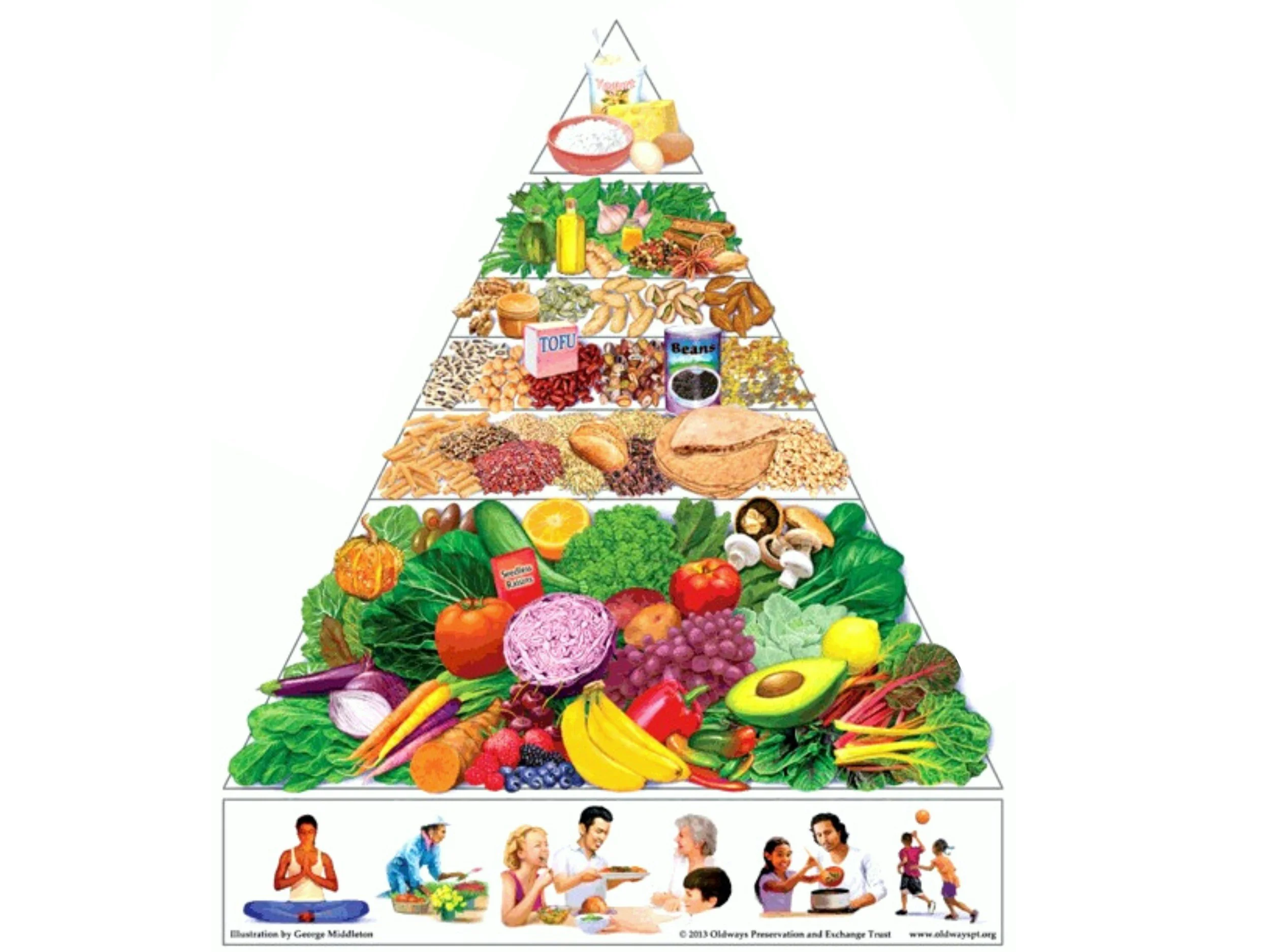

Nutrition for longevity: protect the machine you're building
Training gives your body a reason to adapt.
Nutrition gives it materials to work with.
Protein becomes increasingly important
Protein supports muscle repair and helps maintain lean tissue.
And preserving muscle becomes particularly important as we age.
For adults over 65, the PROT-AGE Study Group recommends roughly 1.0–1.2 grams of protein per kilogram of body weight per day for many healthy older adults, while individual circumstances may warrant different amounts.
That doesn't mean everybody needs to walk around calculating protein down to the gram.
But it does mean protein shouldn't become an afterthought.
Build meals around quality protein sources that fit your dietary preferences and medical needs.
Think dietary pattern—not miracle foods
I'd also move away from calling individual foods “anti-inflammatory” as if blueberries or turmeric are medicine by themselves.
The overall eating pattern matters more.
A heart-healthy dietary pattern emphasizes vegetables, fruits, whole grains, legumes, nuts, healthy protein sources and unsaturated fats while limiting highly processed foods, added sugars and excess sodium.
That's less exciting than a miracle supplement.
It's also much more useful.
Hydration matters—but there isn't one magic formula
You've probably heard rules like:
“Drink half your body weight in ounces.”
That can be a convenient personal reminder, but it isn't a universal medical requirement.
Fluid needs change with body size, temperature, activity, diet, medications and health conditions.
So the goal is simpler:
Stay consistently hydrated and adjust intake to the demands of your body and environment.
Longevity training should still challenge you
This might be my biggest point.
Getting older does not automatically mean training timidly.
Longevity training isn't about treating the body like it's fragile.
It's about respecting where the body is today and progressively increasing what it can handle tomorrow.
For one person that might mean learning how to squat safely.
For another it might mean deadlifting.
For another it's running a 5K.
For another it's climbing mountains at 70.
The standard is individual.
The principle is the same:
Build capacity before you need it.
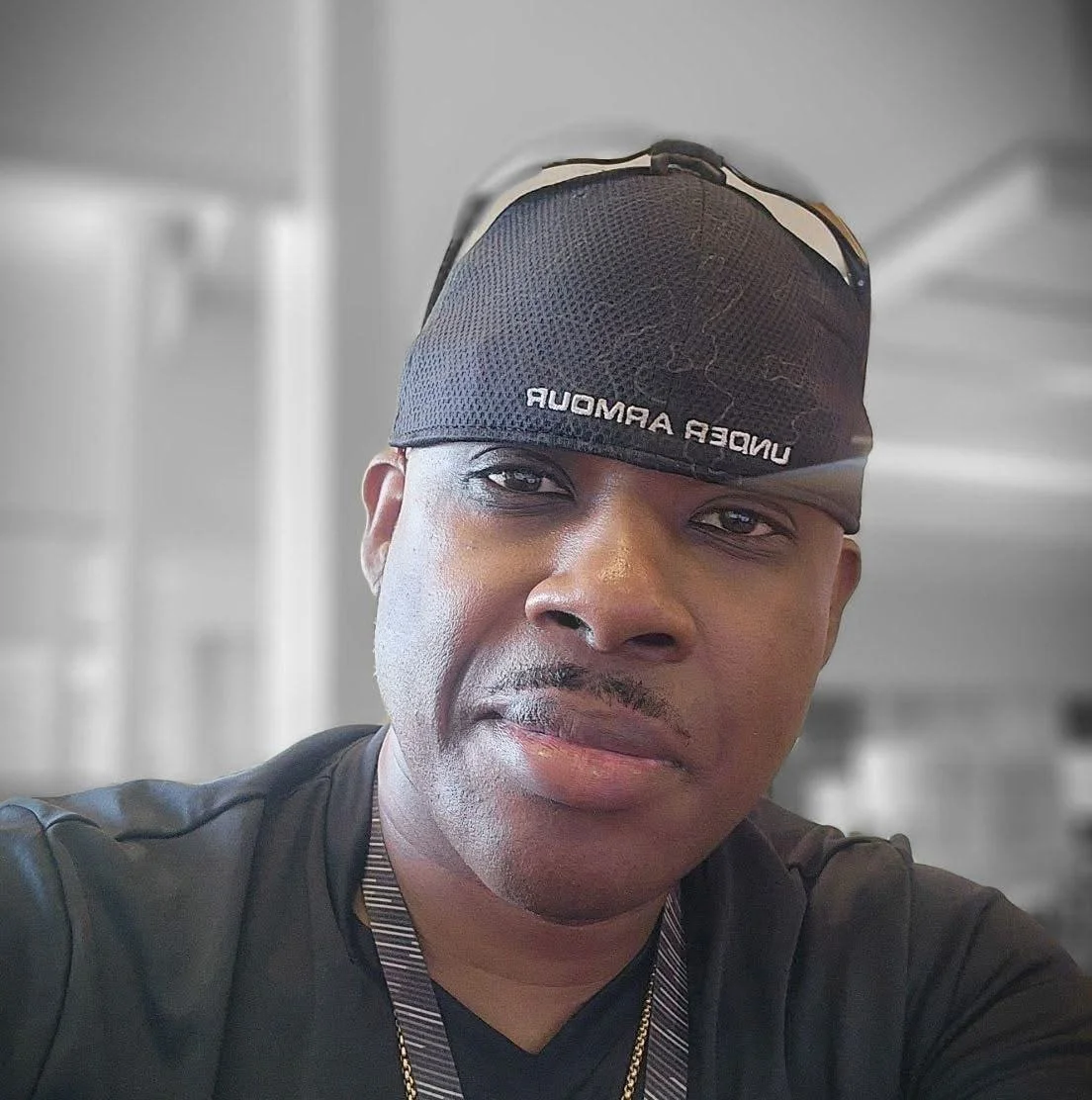
I’m not the age you think I am. (Take a guess)
“I'm not the age you think I am.” Take a guess.
That line is partially a joke—but there's a reason I use it.
One of the things fitness has taught me over the years is that chronological age doesn't tell me nearly enough about what somebody can do.
I've met younger people who already move like they're decades older.
I've met older adults with tremendous strength, mobility and work capacity.
The World Health Organization makes the same broader point: there is no single “typical” older person. People of the same chronological age can have dramatically different levels of physical and mental capacity.
That's why I don't train an age.
I train the person standing in front of me.
How MarineJonFit approaches longevity
At MarineJonFit, the goal isn't simply to make you tired for an hour.
It's to understand where you are, what your body needs and what you want it to continue doing.
With more than 18 years of coaching experience, our approach combines:
Personalized assessment.
We look at movement, mobility, strength, posture, balance, training history and lifestyle before deciding what your program should look like.
Progressive strength training.
Your program evolves as your capacity improves instead of repeating random workouts.
Cardiovascular conditioning.
We build an aerobic base and appropriately introduce higher-intensity work based on your goals and readiness.
Mobility and movement quality.
We address limitations that interfere with how you move rather than simply stretching everything.
Recovery and lifestyle coaching.
Sleep, nutrition, stress and daily movement all influence the results you get from training.
Hybrid coaching options.
Clients can combine in-person and virtual coaching when their schedule, location or lifestyle demands flexibility.
And most importantly:
You aren't being trained for one workout.
You're being trained for the life you still want to be living years from now.
The goal isn't just more years. It's more life in those years.
Longevity doesn't begin at retirement.
It begins when you decide that your future body is worth investing in.
Strength helps you remain capable.
Cardiovascular fitness gives you endurance.
Mobility gives you options.
Balance gives you confidence.
Recovery allows you to keep doing it.
And consistency compounds all of it.
You don't need to become obsessed with aging.
You need to build a body capable of aging well.
The question isn't simply, “How long do I want to live?”
Ask yourself:
What do I still want to be able to do when I get there?
That's what we're training for.
Ready to start building for the long game?
Begin Your MarineJonFit Assessment →
Sources / Further Reading
American College of Sports Medicine — 2025 Worldwide Fitness Trends: older-adult programs ranked #3, with traditional strength
and functional fitness also in the top 10.
World Health Organization — Healthy Ageing and Functional Ability: this gives us the actual framework behind healthspan, mobility, independence and functional capacity.
National Institute on Aging — Exercise and Physical Ability: aerobic, resistance and balance recommendations and their relationship to independence.
CDC — Older Adult Falls: supports the fall-prevention portion.
2024 British Journal of Sports Medicine review: strong evidence connecting cardiorespiratory fitness with long-term health and mortality outcomes.
2025 Sports Medicine Zone 2 review: useful because it lets us discuss Zone 2 without repeating the social-media claim that it is some uniquely superior training zone.
PROT-AGE Study Group: supports the older-adult protein section.
CDC — Sleep: age-specific sleep recommendations.
American Heart Association: supports the overall dietary-pattern discussion.